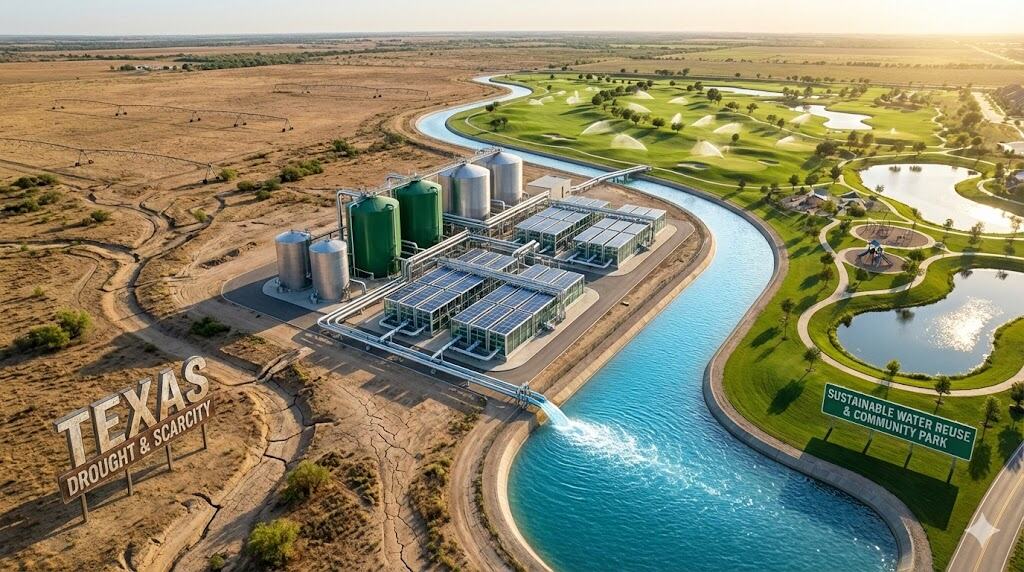
As population growth and aging infrastructure strain municipal resources, the need for advanced water reuse systems in Texas has become one of the greatest challenges of our time. Cities across the United States are facing pressure on rivers, groundwater, and reservoirs, but the urgency is most acute in the Lone Star State.
Simultaneously, extreme weather patterns and recurring droughts have made water scarcity a long-term reality. Texas clearly evidences this trend; the state has surpassed 30.5 million residents, growing nearly 4.7% since 2020. This rapid expansion places unprecedented demand on already stressed municipal plants. Consequently, municipalities must rethink how they manage their most precious resource: water.
The Water Challenge Cities Can No Longer Ignore
For decades, communities relied heavily on surface water and groundwater. Today, those sources are increasingly stressed. New homes, industries, and commercial districts all require water. Therefore, cities must find sustainable ways to support growth without depleting resources.
We currently face a convergence of critical issues:
- Shrinking Reservoir Levels: Supply is dropping while demand rises.
- Increased Costs: The price of potable water treatment and transport is skyrocketing.
- Competition: Tensions are growing between residential, industrial, and agricultural demands.
- Infrastructure Strain: Transporting fresh water over long distances drives up costs.
- Stricter Regulations: Environmental compliance standards are tightening.
MBR Wastewater Treatment: A Proven Strategy for the Future
Water reuse is no longer a “future idea.” It is happening now across Texas, Arizona, California, and Florida.
When you treat wastewater through a reUse Innovations MBR wastewater treatment system, it becomes high-quality, Type I reclaimed water. You can safely reuse this resource across the community. This approach extends water supplies, lowers costs, and protects local environments.

reUse’s MBR systems deliver reclaimed water suitable for:
- Parks, Greenspaces & Medians: Cities can irrigate community spaces without tapping into drinking water.
- Golf Courses: As high-volume users, golf courses benefit from a reliable, sustainable source year-round.
- Construction & Development: Developers gain access to affordable irrigation water for landscaping, dust control, and soil compaction.
- Blending Into Fresh Water: Some cities blend reclaimed water with drinking water sources to extend potable supplies.
- Reservoir Replenishment: High-quality MBR water is safe enough to recharge surface water supplies.
- Aquifer Recharge: Reclaimed water helps restore groundwater levels essential for long-term sustainability.
How MBR Technology Makes Water Reuse Possible
Traditional “conventional” wastewater systems simply cannot achieve the purification level required for reliable reuse. Clarifiers and older filtration methods often leave behind suspended solids, nutrients, and microscopic contaminants. These remnants limit how safely you can use the water.
reUse’s advanced MBR wastewater treatment systems change that entirely.
Our process combines full Biological Nutrient Removal (BNR) with our proprietary Max-Flow® ultrafiltration membrane. This combination creates a robust, high-performance system capable of removing:
- Bacteria and Viruses
- Suspended solids
- Fine particulates
- Pathogens and harmful contaminants
The result is Type I reclaimed water—crystal-clear, highly polished effluent. It routinely meets or exceeds U.S. drinking water quality benchmarks before final disinfection.
Compact, Scalable, and Built for Expansion
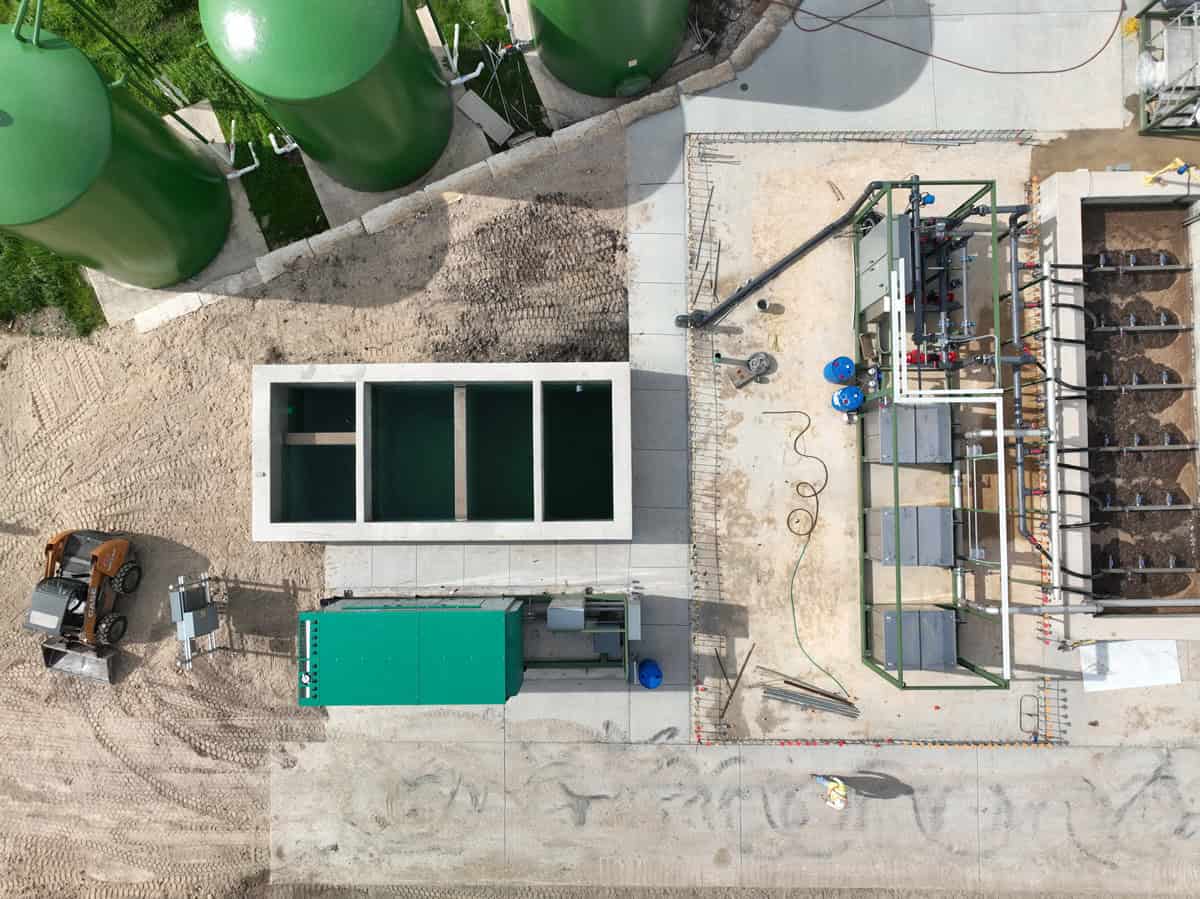
Unlike conventional systems that require large clarifiers and multiple hydraulic steps, MBR technology integrates these processes into a streamlined design.
With reUse MBR systems, cities and developers benefit from:
- Space Efficiency: Uses up to 40% less process volume.
- Small Footprint: Requires only 25% of the land footprint of conventional plants—ideal for space-constrained municipalities.
- Scalability: Future growth simply requires adding membrane modules.
- Lower Costs: Reduced long-term operations and maintenance expenses.
- Reliability: Consistent, superior effluent quality.
This flexibility is essential for Texas cities where land is limited, and infrastructure must adapt to rapid expansion.
FAQ: MBR Systems & Permitting in Texas
Here are common questions regarding TCEQ Chapter 210 reuse and our MBR capabilities.
What is the difference between Type I and Type II reclaimed water?
Under TCEQ Chapter 210, Type I (Public Contact Likely) is the highest quality effluent. It is safe for residential irrigation and parks. Conversely, Type II is restricted to areas where the public is unlikely to contact the water. reUse MBR systems typically produce Type I effluent.
Is MBR treated water safe for irrigation?
Yes. MBR wastewater treatment creates a physical barrier (ultrafiltration) that removes bacteria and pathogens to microscopic levels. The resulting Class A Plus effluent is odorless, clear, and safe for irrigating lawns and common areas.
What does “Turnkey Wastewater Treatment” mean?
A turnkey solution means reUse Innovations handles the entire lifecycle: permitting, design, manufacturing, installation, and operations. This removes the technical and regulatory burden from the developer.
Conclusion: Smart Cities Choose MBR
The path to long-term resilience is clear: Reuse water. Protect resources. Invest in technology that supports growth rather than limiting it.
When a community adopts an MBR wastewater treatment strategy, it safeguards its water future. It strengthens the local economy and reduces dependence on strained regional supplies. With reUse’s advanced systems, cities can confidently plan for the next 50 years of development.
Ready to future-proof your water supply? Contact reUse Innovations today to discuss your project and schedule a consultation.